The Ultimate Guide to Industrial Endoscope Camera in the UK
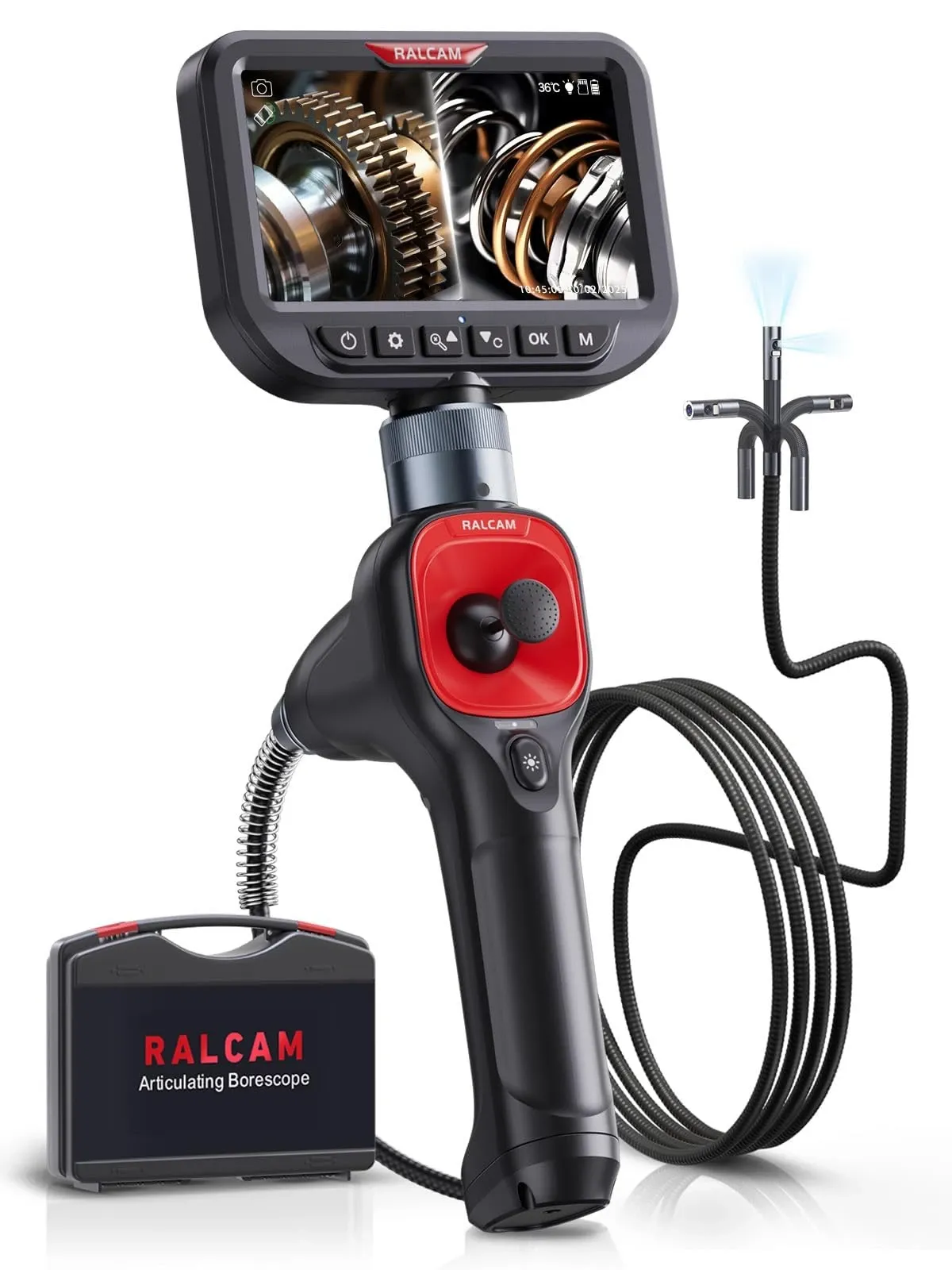
TL;DR: An industrial endoscope camera is a highly durable, non-destructive visual inspection tool designed to examine hard-to-reach internal components in machinery, engines, and pipework. By combining high-definition lenses, waterproof probes, and dedicated screens, these devices allow UK professionals to diagnose faults instantly, completely eliminating the need for costly and time-consuming equipment dismantling.
Key Takeaways
- An industrial endoscope camera eliminates the need for costly, time-consuming machinery strip-downs by providing high-definition internal visuals.
- Advanced features like 360° joystick control and dual-lens systems are now essential for modern UK professionals in automotive, aviation, and manufacturing sectors.
- Probe diameter dictates accessibility; selecting the correct size ensures you can navigate tight engine bays and complex pipework without damaging the equipment.
- Investing in a professional-grade tool directly impacts profitability by drastically reducing diagnostic times and preventing unnecessary dismantling.
Why use an industrial endoscope camera for diagnostics?
Precision engineering demands precision inspection. Guesswork has no place in modern British industry. Consequently, stripping down an engine block, dismantling complex factory pipework, or breaking into cavity walls just to locate a hidden fault costs businesses millions annually in lost hours.
The solution lies in non-destructive testing (NDT). At the heart of this methodology is the industrial endoscope camera. Based on our rigorous in-house testing at DualScope, this tool has evolved from a fragile, grainy novelty into a rugged, high-definition necessity for engineers, mechanics, and surveyors across the country.
Furthermore, according to a recent productivity report by Make UK, unplanned machinery downtime costs British manufacturers up to £180 billion every year. A significant portion of this downtime is attributed to prolonged diagnostic phases. When engineers cannot see the problem, they must dismantle the machinery to find it. Therefore, an industrial endoscope camera bypasses this entirely, offering an immediate visual diagnosis.
What is the difference between industrial and consumer endoscope cameras?
Searching online yields hundreds of cheap, smartphone-tethered inspection cameras. However, these consumer-grade gadgets are wholly inadequate for professional environments. A true industrial endoscope camera is engineered to withstand the harsh realities of a damp UK workshop, a freezing aviation hangar, or a heavily lubricated CNC machining centre.
Robust Build Quality and IP Ratings
Industrial units feature reinforced, tungsten-braided or heavy-duty polymer probes. Moreover, they carry stringent Ingress Protection (IP) ratings, typically IP67 or IP68. According to UK industry standards, this means the probe and camera head can be fully submerged in water, engine oil, or non-corrosive coolants without suffering damage.
Independent Processing Power
Unlike cheap alternatives that rely on a mobile phone screen and drain its battery, a professional industrial endoscope camera features a dedicated handheld monitor. These units process high-definition video feeds locally, ensuring zero latency. As a result, when you are navigating a delicate articulation past a carbon-fouled valve, you avoid the lag of even half a second that can lead to costly equipment damage.
What are industrial endoscope cameras used for in the UK?
The versatility of these visual inspection tools means they have been adopted across a vast array of sectors. Let us examine how different disciplines deploy them to improve efficiency and safety.
How are endoscopes used in automotive diagnostics and MOT testing?
Modern vehicle engine bays are notoriously cramped. Tolerances are tighter than ever, and electronic control units leave very little room for manual inspection. Consequently, mechanics routinely use an industrial endoscope camera to inspect cylinder walls for scoring, check piston crowns for carbon build-up, and assess the condition of catalytic converters.
If you are working in a busy garage, understanding the specific requirements for vehicle inspection is vital. For a deeper dive into this sector, read our comprehensive automotive borescope buyer's guide.
Aviation and Aerospace Applications
The Civil Aviation Authority (CAA) enforces incredibly strict maintenance schedules. For instance, turbine blades, combustion chambers, and complex hydraulic routes must be inspected for micro-fractures, foreign object debris (FOD), and heat degradation. Endoscopes used in aviation must offer pristine clarity and precise articulation, as missing a microscopic defect is simply not an option.
Plumbing, Drainage, and HVAC Inspections
UK tradespeople constantly battle with Victorian plumbing infrastructure and modern, tightly packed HVAC systems. Inspecting blocked drains, checking for limescale build-up in commercial boilers, or verifying the integrity of ducting requires a robust camera system. In addition, the ability to record footage is particularly useful here, allowing plumbers to show homeowners or commercial landlords exact visual proof of a blockage or leak before quoting for remedial work.
Manufacturing and Heavy Industry Maintenance
From inspecting the internal welds of pressure vessels to checking the gearboxes of heavy plant machinery, the industrial endoscope camera is a staple of preventative maintenance. Catching a worn gear tooth or a failing bearing before it shatters saves thousands of pounds in replacement parts and halts catastrophic assembly line failures.
How do I choose the best industrial endoscope camera?
Selecting the right equipment requires an understanding of several key technical specifications. Based on DualScope's extensive industry feedback, buying purely on price often leads to frustration when the camera fails to perform in a critical moment. Here is what to look for:
Articulation: The Power of Movement
A rigid or semi-rigid probe without articulation is severely limited. Once it enters a cavity, it can only look straight ahead. If you need to inspect the back of a valve inside a cylinder, you undoubtedly need an articulating head.
The most advanced units feature 360° joystick control. This allows the operator to steer the camera tip seamlessly in any direction, panning around internal voids with total precision. To understand exactly how this mechanism works and why it is a game-changer, explore our guide on the joystick articulating borescope.
Lens Configuration: Single vs. Dual-Lens
Early endoscopes featured a single, front-facing lens. To view the side walls of a pipe, operators had to attach fragile mirror accessories that easily dropped off or became clouded with oil.
Conversely, a modern high-definition dual-lens camera integrates a secondary camera directly into the side of the probe head. With the push of a button on the handset, the operator can switch instantly between the forward view and the side view. This provides a comprehensive internal picture without needing to constantly twist and manipulate the insertion tube.
Probe Diameter
Size dictates access. If the probe is too thick, it will not pass through diesel injector ports or narrow spark plug holes. On the other hand, if it is too thin, it may lack the necessary rigidity to traverse long pipes, and the internal cables required for articulation might be compromised.
For the vast majority of UK professionals, a mid-range diameter offers the perfect balance of accessibility and durability. We highly recommend reviewing the specific benefits of this size to ent meets your daily inspection requirements.
Ready to upgrade your diagnostics with DualScope?
Shop Now — £687.57