When Is 1.5M Semi Rigid Borescope Enough Uk
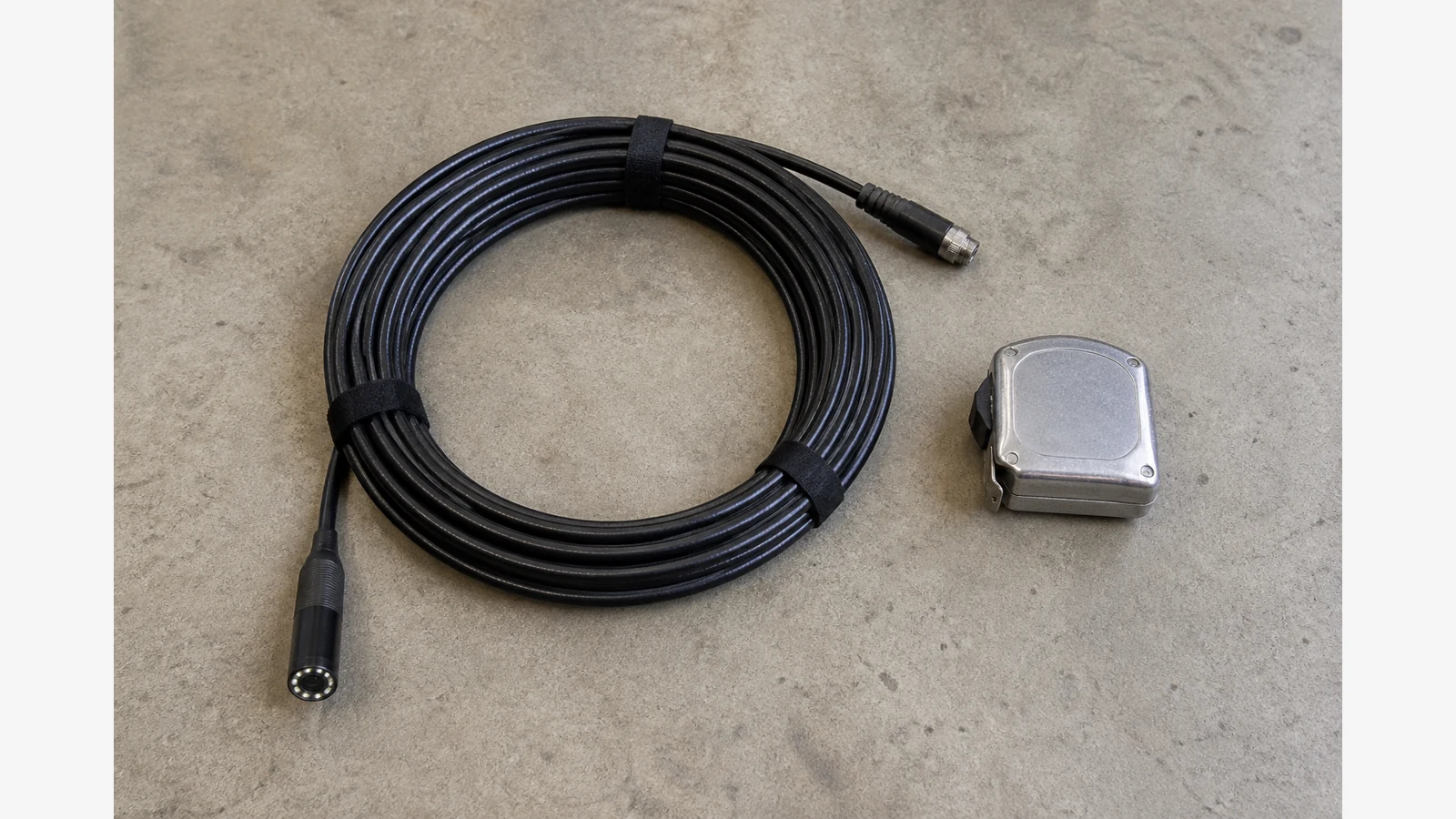
A 1.5 m semi-rigid borescope is enough when your deepest useful target sits within about a metre and a half of a workable access point — typical for many UK spark-plug entries, short machine cavities, under-sink bends and near-access duct elbows. It is not enough when the job is long duct trunking, deep drains or plant runs measured in tens of metres.
Buying frameworks that start with reach — not brand — warn that the second-largest purchase mistake is expecting one probe length to cover every bucket of work.
Use the InspectandTest reminder to match distance before features before you stretch a short handset into a long-run problem.
Measure reach with a simple checklist
- Mark the access point you can actually open without dismantling the whole assembly.
- Estimate the path length including bends, not the straight-line depth.
- Add a small handling margin so the tip can still articulate or pan once it arrives.
- If the estimate exceeds ~1.5 m, stop and choose a longer fixed cable or a reel system.
Probe-length guidance in industrial selection notes likewise treats working length as a first-order match to the job path, not a vanity spec — see QBH notes on matching working length.
Semi-rigid shape holding versus long push-rod needs
Semi-rigid cables help you keep a set shape through short bends and machine galleries. Long fibreglass push rods and wheeled duct cameras exist because commercial trunking and drainage runs exceed handset lengths. For photo packs on long ducts, see duct inspection photo evidence for TR19-style reporting.
When a longer fixed cable is the better buy
- Repeated jobs past 2–3 m with little need for tip steering
- Drainage surveys where waterproof long rods are the norm
- Facilities work that already owns a reel camera for TR19 trunk runs
Who should not rely on 1.5 m
Anyone quoting “whole building duct evidence” from a single short probe is overselling the tool class. Anyone inspecting only shallow cavities may also be overspending if they buy articulation length they never use — revisit dual lens versus articulating tip if steering is optional.
If length already matches
When your measured jobs sit inside the 1.5 m class and you still need steerable dual-lens viewing, compare the live DualScope Pro detail rather than defaulting to a longer fixed snake “for future maybe jobs”.